OldContentID: 0
OldRefID: 0
Jerusalem poet Hedva Harekhavi has passed away. Her extraordinary work preserved what Hebrew poetry almost lost: the free union of music and word creating urgent, uninhibited verse that flowed like ancient tribal song in a modern feminine voice
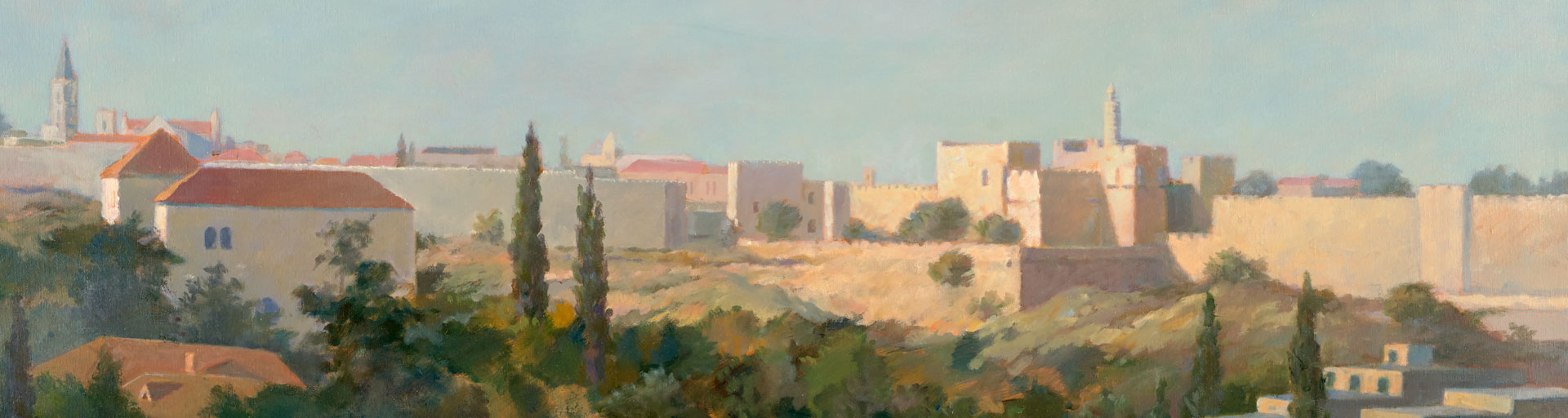
Hedva Harekhavi, the wonderful and beloved poet who was one of the cornerstones of Jerusalem literary scene, passed away yesterday at the age of 84. Harekhavi had lived since the 1960s in Abu Tor, not far from where the border ran until 1967. She was one of the most unique artists in the landscape of Hebrew poetry for many years. Her writing is highly musical, ecstatic, magical – poetry that does not submit to external dictates, that is like an inner growl or an ancient tribal song.
Harekhavi’s work succeeded in preserving a poetic dimension that has weakened throughout the years of modern Hebrew poetry: the free combination of music and the written word. The connection between these two arts has accompanied human creation from its beginning. The great poetic works of Greece were performed before audiences and accompanied by musical instruments. The beginning of Hebrew poetry in Israel is also very musical, but in a structured manner: it has meter and rhyme, usually meticulously written.
Following upheavals that occurred in the world of Hebrew literature, the poetry of the generation that founded the state was characterized by free verse, if at all, and by direct writing with a changing internal rhythm that presented everyday content and imagery. However, this free musicality was renounced over time and replaced with the abandonment of rhyme and meter. Many poets chose to interpret the “free verse” revolution as a revolution of “freedom from rhyme.”
Harekhavi knew how to stand exactly at this seam: she presents a fascinating and unique example of the integration of music in Hebrew poetry, without limiting or restricting her words. Harekhavi’s poems are not written in strict meter and are not divided into stanzas or classical rhymes, but rather pour onto the page with a kind of urgency and uninhibited directness. Harekhavi repeats words, writes very long lines and very long poems, and touches on very personal subjects that are often shrouded in a veil of mystery.
In her works, Harekhavi touched on painful and sensitive subjects, the most central of which is the loss of her son, whom she called “Migo” and after whom she also named one of her most important poetry collections. She wrote about love, about friendship, and about loss. She wrote very feminine and very free poetry. She wrote what a woman with an exposed heart and high sensitivity writes, a woman who has the ear of a musician and the hand of a painter.
May her memory be blessed.
Main Photo: Hedva Harekhavi By Itay Akirav \ Wikipedia
Model.Data.ShopItem : 0
8