Ani Ma’amin (“I Believe”)


At the moment of greatest crisis, when liberation finally seemed possible, Moses made a surprising choice. Instead of focusing solely on escape routes or survival strategies, he turned the Israelites’ attention to their children – and to a story that would need to be told for thousands of years. It was an act of remarkable foresight: in the midst of trauma and upheaval, he was already thinking about memory, meaning, and the future.
The plagues weren’t only meant to free the Israelites or punish Egypt. They had another purpose – one that would shape Jewish identity for millennia to come.
That you may recount
“Then the Lord said to Moses, ‘Go to Pharaoh. For I have hardened his heart and the hearts of his courtiers, in order that I may display these My signs among them, and that you may recount in the hearing of your child and of your child’s child how I made a mockery of the Egyptians and how I displayed My signs among them – in order that you may know that I am the Lord.’” (Exodus 10:1-2)
“That you may recount.” The hardening of Pharaoh’s heart and the continuation of the plagues were intended to create a powerful story that could be passed down through generations. This purpose appears again in the commandment regarding Passover, which comes in our parashah immediately after the plagues of locusts and darkness: “This day shall be to you one of remembrance: you shall celebrate it as a festival to the Lord throughout the ages; you shall celebrate it as an institution for all time” (Exodus 12:14). And later: “And when your children ask you, ‘What do you mean by this rite?’ you shall say, ‘It is the Passover sacrifice to the Lord, who passed over the houses of the Israelites in Egypt when smiting the Egyptians, but saved our houses.’ Those assembled then bowed low in homage.” (ibid., 26-27)
Beyond the immediate horizon
The Israelites stood at a historic turning point, about to be freed from slavery. In such moments, all thoughts naturally turn toward immediate challenges: Will this really happen? How should we prepare? What should we take? How will the elderly endure the journey? Yet God and Moses revealed exceptional leadership by directing attention beyond survival to the strategic question of building a nation and its future. Moses concluded the commandment regarding Passover with the following words: “And you shall explain to your child on that day, ‘It is because of what the Lord did for me when I went free from Egypt’” (Exodus 13:8). Great leaders think beyond the immediate horizon.
Past, present and future
Just as personal identity depends on a narrative connecting past and present self, national identity relies on shared stories. The connection between who I was at sixteen and who I am now exists through the story I tell myself – not an objective account, but a narrative that gives coherence and continuity to the word “I.”
In his essay “Past and Future,” Ahad Ha’am (born Asher Zvi Hirsch Ginsberg, 1856–1927) – one of the most important pre-state Zionist thinkers – argues that identity encompasses not only past and present but also future. The “I” includes not just who I was and am, but who I dream of becoming. A complete story requires all three dimensions.
The same holds for a nation. What binds a people across generations isn’t uniform values or beliefs – it’s a shared narrative. Preserving such a narrative requires rituals, symbols, texts, and customs that repeatedly evoke its foundations. Moses understood this before the Exodus, ensuring we would have a multi-generational story. He sketched our future by describing the land flowing with milk and honey. But what is the shared future of our generation?
Dreaming together
Ahad Ha’am taught that a people whose essence is spiritual rather than merely physical can find what he called an elixir of life by incorporating the future into its collective identity. Even as an imagined hope, this future dimension sustains a people through affliction and challenge.
Here lies one of our generation’s great tasks. Preserving the story connecting us through the past, while difficult, is the easier challenge. Far more complex is building a shared dream – sketching the missing part of our story, the future. Currently, visions of the future seem to divide rather than unite us. The question remains: Will we succeed in dreaming together, and if so, how?
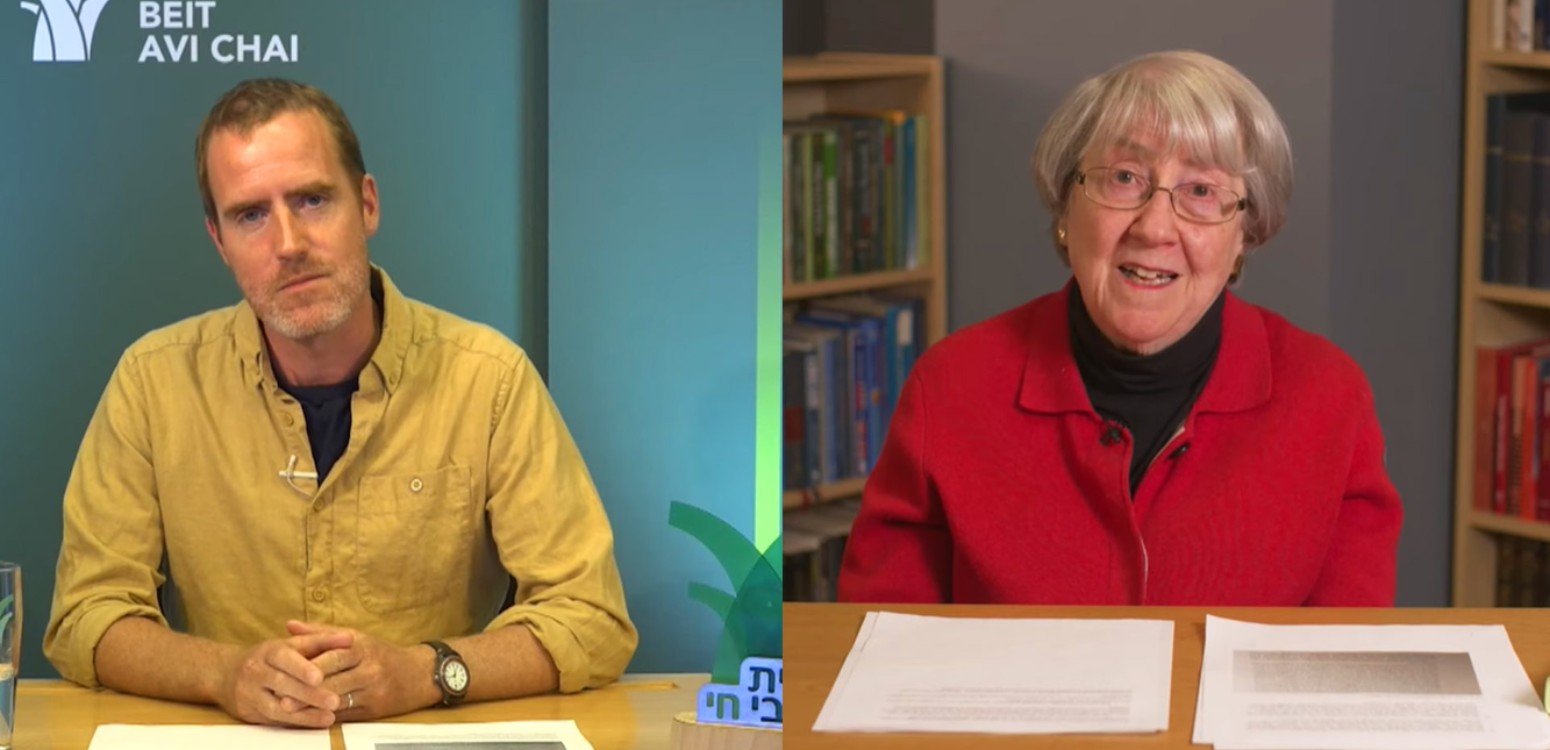
Lior Tal Sadeh is an educator, writer, and author of “What Is Above, What Is Below” (Carmel, 2022). He hosts the daily “Source of Inspiration” podcast, produced by Beit Avi Chai.
For more insights into Parashat Bo, listen to “Source of Inspiration”.
Translation of most Hebrew texts sourced from Sefaria.org
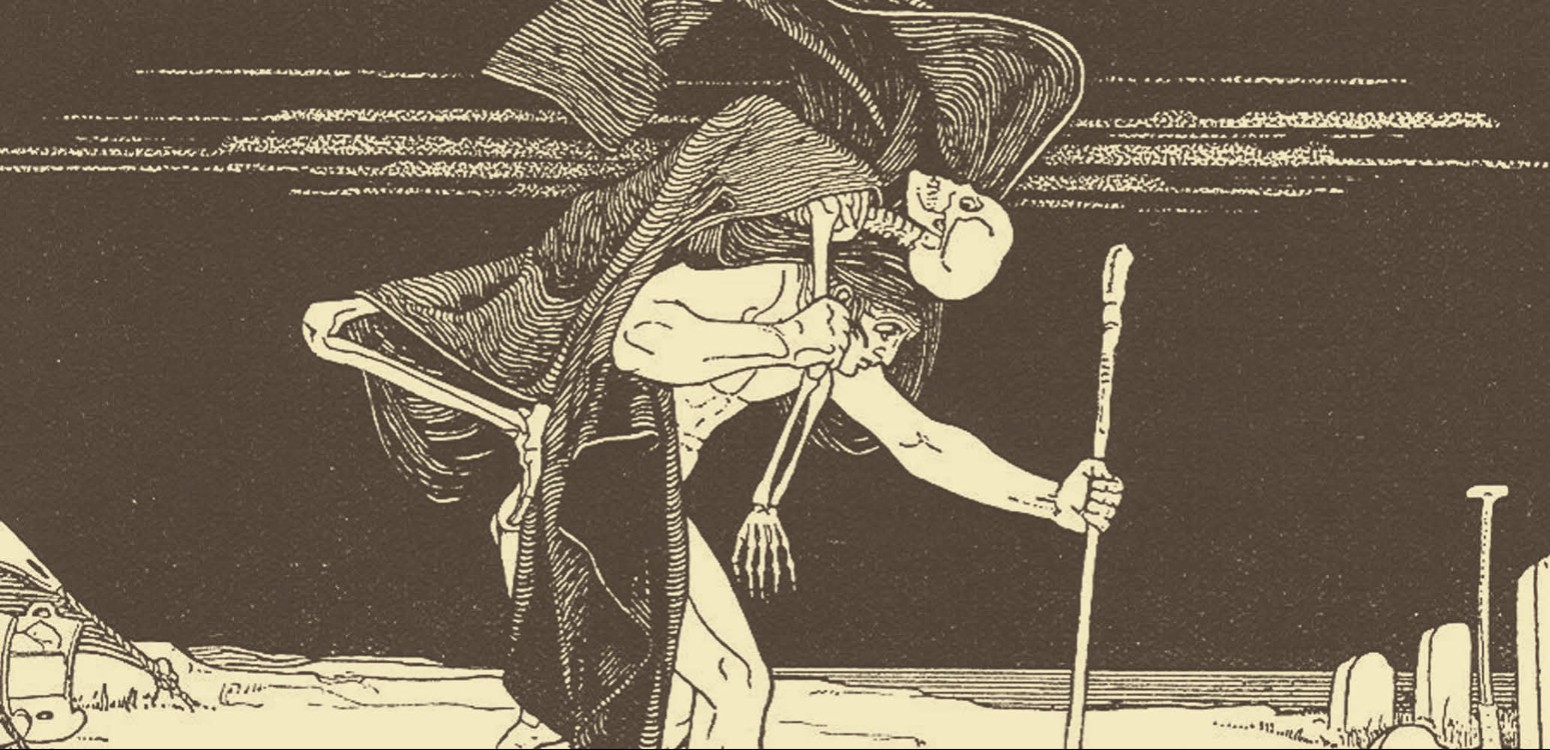
Main Photo: The angel is going through King Pharaoh's land\ Wikipedia