OldContentID: 0
OldRefID: 0
The journey of Zemer Nugeh: From the pain of Rachel the Poetess’ farewell to the tragedy of Ilan Ramon
January 19, 2003. Three days after launching into space, Ilan Ramon’s shift aboard the Space Shuttle Columbia wakes to the sounds of the song Zemer Nugeh (“A Sad Song”) by Israeli rock-pop trio The High Windows – with lyrics by Rachel Bluwstein (1890-1931), known as Rachel the Poetess, set to music by Shmulik Kraus (1935-2013). The song was chosen by Ilan’s wife Rona Ramon (1964-2018) without his knowledge. The science journal HaYadan reported that morning that the voices of Josie Katz and Arik Einstein (1939-2013) – the two lead vocalists of the band – “were heard clearly over the radio network between the shuttle and the space center,” and that the two Israelis present on the shift joined in the singing while simultaneously translating for the NASA personnel.
A little less than two weeks later, the shuttle broke apart upon reentry into the atmosphere. Ramon – the first Israeli astronaut – and the six other crew members aboard perished. In the days following the crash, Zemer Nugeh was broadcast on radio stations and became the song associated with the tragedy of Ilan Ramon.
The tragedy embedded in the song did not begin with its connection to the story of the Space Shuttle Columbia. Even when it was written by Rachel back in 1927, it was already a tragic song – and Rachel’s own end only deepened the sorrow already present within it.
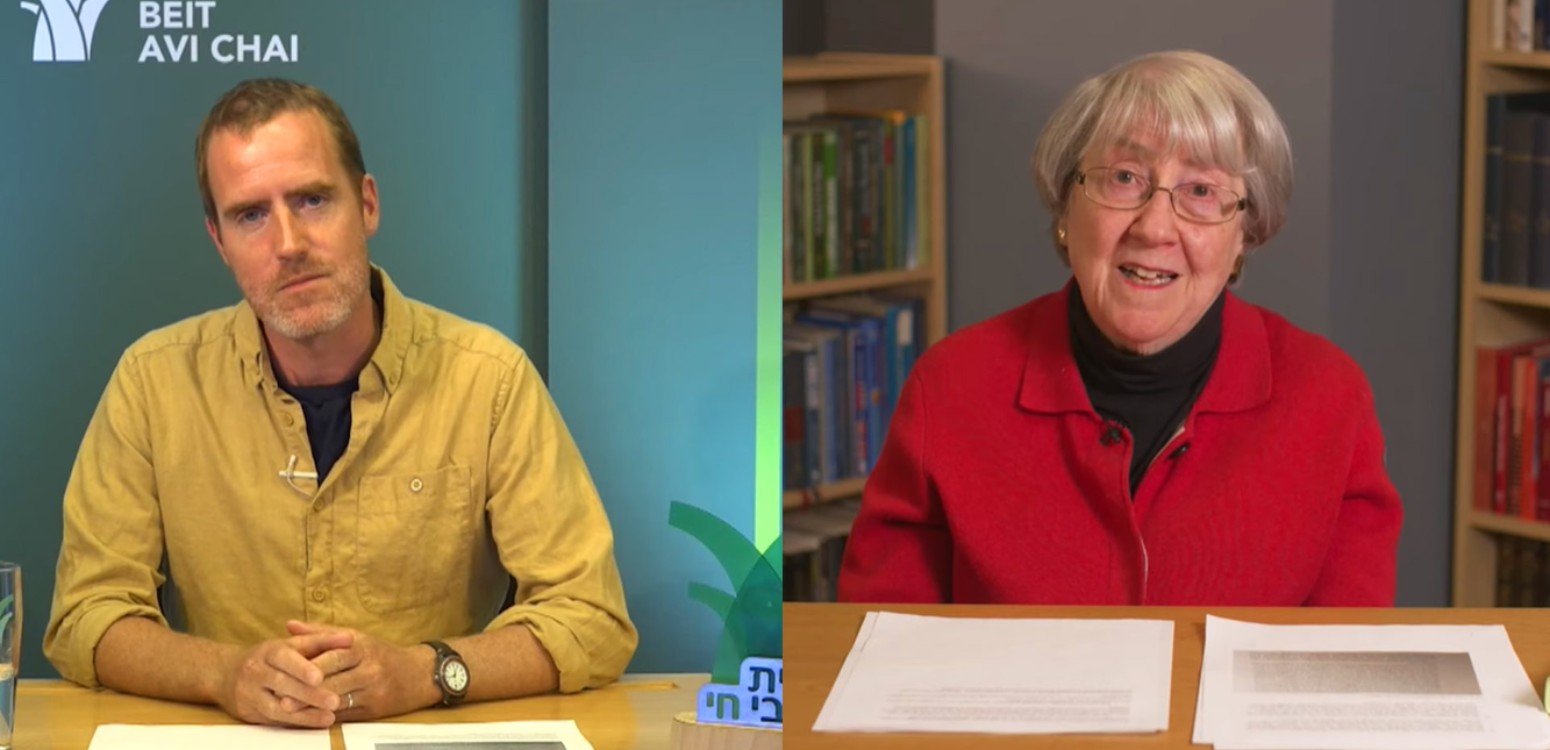
Lionel Faretein singing “Zemer Nugeh” at Beit Avi Chai, 2014
Rachel Bluwstein came to the Land of Israel by accident. She was on her way to study art in Italy, together with her sister Shoshana, but when the ship docked in Israel for an intermediate stop, Rachel and Shoshana stepped off the deck, fell in love with the land and the pioneering project, and decided to stay.
After several years, Rachel traveled to study agronomy at the University of Toulouse in France, where she met Michael Bernstein, a Jewish electrical engineering student from Russia. The two fell in love. But when she had to continue on her way and return to the Land of Israel and the Zionism that had captured her heart, Rachel was forced to bid farewell to Michael, whose own heart had been captured instead by the international socialist struggle.
The song Zemer Nugeh, so the story goes, was written by Rachel about her parting from Michael and her longing for him.

Rachel Bluwstein Sela \ Wikipedia
But the tragedy of that separation became far more bitter. Because at that same time, WWI broke out, and Rachel was unable to return to Israel. She remained with her family in Russia, where she worked with Jewish refugee children – and contracted tuberculosis.
She returned to Israel already ill, and when her disease was discovered she was expelled from Kibbutz Degania. Her final years she spent in a slow, lonely decline, moving between various apartments and sanatoriums, eventually settling in a small attic room in Tel Aviv, from where she wrote most of her poems.
Rachel died in 1931, aged only forty. Far from the people she loved, and from the Sea of Galilee she so deeply longed for. Her poems, published throughout her final years in the newspaper Davar, became – in her lifetime, and far more so after her death – a profound, beloved, and significant part of Hebrew culture, in both poetry and music. Rachel, who could not rise from her bed and make it to the Kinneret, made it – more than 70 years after her death – to outer space.
This article was originally published in Hebrew.
Main Photo: Ilan Ramon\ Wikipedia
Model.Data.ShopItem : 0
9